
Chandana Vana
Managed farm land at Haniyuru.
Sandalwood Usages
1. Perfume and Fragrance: Sandalwood has a rich, sweet, and woody scent that makes it a popular ingredient in perfumes, colognes, and other fragrances. It is often used as a base note in many high-end perfumes.
2. Aromatherapy: Sandalwood oil is used in aromatherapy for its calming and relaxing effects. The aroma is believed to have stress-reducing and anxiety-relieving properties.
3. Incense: Sandalwood is often used to make incense sticks, cones, and powders. Burning sandalwood incense is a common practice in religious ceremonies and meditation due to its soothing fragrance.
4. Traditional Medicine: Sandalwood has been used in traditional medicine systems like Ayurveda for its potential therapeutic properties. It's believed to have anti-inflammatory, antiseptic, and astringent properties. It has been used to treat skin conditions, urinary tract infections, and respiratory issues.
5. Skincare: Sandalwood oil is used in various skincare products like soaps, lotions, and creams due to its purported benefits for the skin. It's often used to alleviate dryness, irritation, and inflammation.
6. Cosmetics: Sandalwood oil is sometimes added to cosmetics like perfumes, creams, and makeup products to enhance their fragrance and provide a luxurious touch.
7. Wood Carving: Sandalwood's fine grain and pleasant aroma make it a sought-after material for carving intricate sculptures, religious artifacts, and decorative items.
8. Religious and Spiritual Practices: Sandalwood paste is used in various religious rituals and ceremonies in Hinduism and Buddhism. It's applied on idols and used in sacred fire rituals.
9. Jewelry: Sandalwood beads are often used in making jewelry, especially prayer beads. They are believed to have a calming effect on the wearer.
10. Flavoring: In some cultures, sandalwood is used as a flavoring agent in certain dishes and beverages, though this is less common compared to its other uses.
11. Insect Repellent: Sandalwood's scent is known to repel insects and pests, so sandalwood oil or incense is sometimes used for this purpose.
12. Mediation and Yoga: The calming aroma of sandalwood is often used in meditation and yoga practices to create a serene and focused environment.
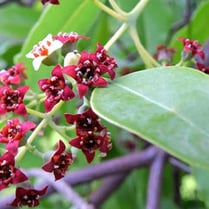
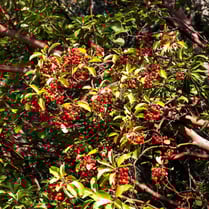
The growing process of sandalwood involves several stages, from seed propagation to nurturing young plants until they mature and can be harvested for their valuable heartwood. Sandalwood trees have specific requirements for optimal growth, and their cultivation often requires careful attention. Here's an overview of the sandalwood growing process:
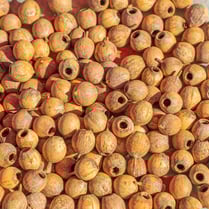
1. Seed Collection and Preparation: Sandalwood trees produce small, spherical fruits that contain seeds. These seeds are collected from mature sandalwood trees. The seeds need to be cleaned and processed before planting to ensure higher germination rates. This might involve removing the outer husk and treating the seeds to enhance their viability.
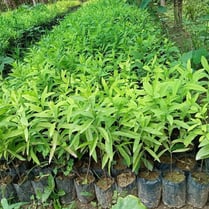
2. Nursery Establishment: Sandalwood seeds are typically germinated and grown in nurseries under controlled conditions. A well-draining, sandy or loamy soil mix is used, and temperature and humidity are monitored. Shade is provided to protect the young seedlings from harsh sunlight.
3. Germination and Seedling Growth: Sandalwood seeds can take several weeks to months to germinate. Once germinated, the seedlings start growing. Regular watering, proper shading, and protection from pests are important during this phase.
4. Transplanting to Field: When the seedlings have reached a certain size and are strong enough to handle outdoor conditions, they are transplanted to the field where they will grow to maturity. Transplanting is usually done during the rainy season to help the young trees establish their root systems.
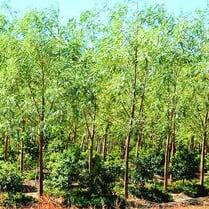
5. Field Maintenance: Sandalwood trees require specific environmental conditions to thrive. They prefer well-draining soil, a warm climate, and a semi-arid to tropical environment. Regular watering, mulching, and protection from pests and diseases are important aspects of field maintenance.
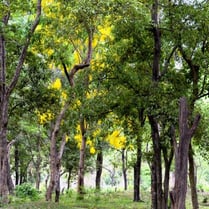
6. Growth and Maturity: Sandalwood trees take several years to decades to reach maturity. The heartwood, which is highly valued for its aromatic properties, develops as the tree matures. During this time, proper care is necessary to ensure healthy growth and wood quality.
7. Harvesting: Sandalwood trees are usually harvested for their heartwood once they have reached a certain age and size. The heartwood contains the aromatic compounds that sandalwood is known for. Harvesting involves cutting down the tree and extracting the heartwood. However, sustainable harvesting practices are essential to prevent overexploitation and ensure the long-term viability of sandalwood cultivation.
8. Processing and Distillation: After harvesting, the heartwood is typically processed to extract sandalwood oil. The heartwood is chipped or ground, and then steam-distilled to obtain the essential oil. The oil is highly prized for its fragrance and used in various applications.
Sandalwood cultivation requires careful planning, patience, and knowledge of the tree's specific requirements. Due to the valuable nature of sandalwood, its cultivation is often regulated to prevent illegal harvesting and ensure sustainable practices. It's important to note that sandalwood cultivation can vary based on the specific species of sandalwood being grown and the regional conditions in which it is cultivated.
Sandalwood Farming...
Site Location: Sy No. 66/3, 66/4, and 66/5 Haniyur Village, Virupakshipura Hobli, Channapattana Taluk, Ramanagara Dist., 562138.